


Struggling with bloating, indigestion, or irregular bowel movements? Incorporating herbs to improve digestion into your daily routine can offer natural relief. These powerful plants have been used for centuries to soothe the digestive system, reduce discomfort, and promote gut health. In this article, we’ll explore the top 5 herbs for better digestion, their benefits, and how to use them effectively.
Why Use Herbs to Improve Digestion?
Herbs are packed with natural compounds that can calm inflammation, stimulate digestive enzymes, and support a healthy gut microbiome. Unlike over-the-counter medications, herbs offer a gentle, holistic approach to improving digestion without harsh side effects. Let’s dive into the top 5 herbs that can transform your digestive health naturally.
1. Peppermint: The Soothing Digestive Aid
Peppermint is a go-to herb for easing digestive discomfort. Its active compound, menthol, relaxes the muscles of the gastrointestinal tract, reducing bloating, gas, and cramping. Studies show peppermint can help alleviate symptoms of irritable bowel syndrome (IBS).
How to Use Peppermint:
- Tea: Steep 1–2 teaspoons of dried peppermint leaves in hot water for 10 minutes. Drink 1–2 cups daily.
- Oil: Use enteric-coated peppermint oil capsules for targeted relief (consult a doctor for dosage).
- Fresh Leaves: Chew a few fresh leaves or add them to salads for a mild effect.
Pro Tip: Avoid peppermint if you have acid reflux, as it may relax the esophageal sphincter.
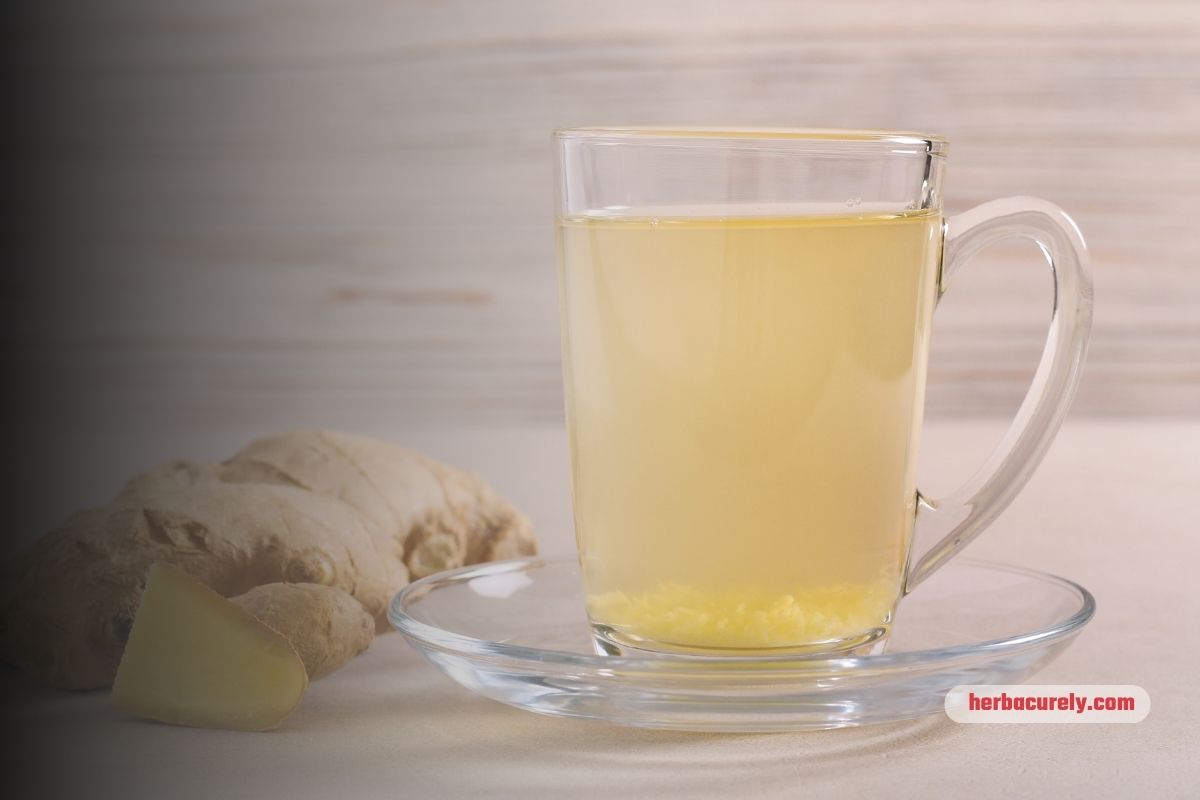
2. Ginger: The Anti-Inflammatory Powerhouse
Ginger is a time-tested herb for improving digestion. Its active compounds, gingerols and shogaols, stimulate saliva production and bile flow, aiding in the breakdown of food. Ginger also reduces nausea and inflammation in the gut.
How to Use Ginger:
- Tea: Boil fresh ginger slices (1–2 inches) in water for 10 minutes. Add honey for taste.
- Smoothies: Blend a small piece of fresh ginger into your morning smoothie.
- Capsules: Take ginger supplements (250–500 mg) with meals for convenience.
Fun Fact: Ginger is especially effective for motion sickness and morning sickness during pregnancy.
3. Fennel: The Bloating Buster
Fennel seeds are a natural remedy for bloating and gas. They contain anethole, a compound that relaxes the digestive tract and promotes the expulsion of gas. Fennel also acts as a mild diuretic, helping reduce water retention.
How to Use Fennel:
- Seeds: Chew ½ teaspoon of fennel seeds after meals to reduce bloating.
- Tea: Steep 1 teaspoon of crushed fennel seeds in hot water for 5–10 minutes.
- Cooking: Add fennel bulb or seeds to soups and stews for flavor and digestive benefits.
Pro Tip: Fennel pairs well with other herbs like peppermint for a synergistic effect.
4. Chamomile: The Calming Digestive Soother
Chamomile is renowned for its calming properties, which extend to the digestive system. Its anti-inflammatory and antispasmodic effects help relieve indigestion, cramps, and bloating. Chamomile is also great for reducing stress-related digestive issues.
How to Use Chamomile:
- Tea: Steep 1–2 teaspoons of dried chamomile flowers in hot water for 10 minutes. Drink before bed for best results.
- Tincture: Use a chamomile tincture (follow package instructions) for quick relief.
- Bath: Add chamomile tea to a warm bath to relax both your body and gut.
Note: Avoid chamomile if you’re allergic to ragweed or related plants.
5. Dandelion: The Detoxifying Digestive Booster
Dandelion root is a lesser-known but highly effective herb for digestion. It acts as a natural laxative, supports liver function, and stimulates bile production, aiding fat digestion. Dandelion is also rich in prebiotics, which feed healthy gut bacteria.
How to Use Dandelion:
- Tea: Steep 1–2 teaspoons of dried dandelion root in hot water for 10 minutes.
- Salad: Add fresh dandelion greens to salads for a nutrient-packed meal.
- Capsules: Take dandelion root supplements (500 mg) with meals for digestive support.
Fun Fact: Dandelion root is often used in detox teas for its liver-cleansing properties.
Tips for Using Herbs to Improve Digestion
- Start Small: Introduce one herb at a time to monitor its effects on your body.
- Consult a Professional: If you’re pregnant, nursing, or on medication, check with a healthcare provider before using herbs.
- Choose Quality: Opt for organic, high-quality herbs to ensure potency and purity.
- Combine Wisely: Pair herbs like peppermint and fennel for enhanced digestive benefits.
- Stay Consistent: Regular use of these herbs can lead to long-term improvements in gut health.
Conclusion
Incorporating herbs to improve digestion like peppermint, ginger, fennel, chamomile, and dandelion into your routine can naturally enhance your digestive health. These herbs offer a safe, effective way to combat bloating, gas, and indigestion while promoting overall wellness. Try adding one or more of these herbs to your diet today and experience the benefits of natural digestion support.
Disclaimer: Always consult a healthcare professional before starting any new herbal regimen, especially if you have pre-existing conditions or are taking medications.
FAQ: Herbs to Improving Digestion Naturally
1. What are the best herbs to improve digestion? The top herbs for better digestion include peppermint, ginger, fennel, chamomile, and dandelion. These herbs help reduce bloating, gas, and indigestion while supporting overall gut health.
2. How do herbs like peppermint and ginger help with digestion? Peppermint relaxes digestive tract muscles, easing bloating and cramps. Ginger stimulates digestive enzymes and reduces inflammation, aiding food breakdown and relieving nausea.
3. Can I use these herbs if I have acid reflux or IBS? Some herbs, like peppermint, may worsen acid reflux but can help with IBS. Ginger and chamomile are generally safe for both conditions. Consult a doctor to ensure suitability for your specific condition.
4. How should I prepare herbs for digestion?
- Tea: Steep 1–2 teaspoons of dried herbs (e.g., peppermint, chamomile, or fennel) in hot water for 5–10 minutes.
- Fresh: Chew fennel seeds or add fresh ginger/dandelion greens to meals.
- Supplements: Use capsules or tinctures for convenience (follow dosage instructions).
5. Are there any side effects of using herbs for digestion? Most herbs are safe when used in moderation. However, peppermint may aggravate acid reflux, and chamomile can cause allergic reactions in those sensitive to ragweed. Always start with small amounts and consult a healthcare provider if unsure.
6. How long does it take for herbs to improve digestion? Some herbs, like fennel or peppermint, can provide quick relief from bloating or gas (within 30–60 minutes). For long-term benefits, consistent use over weeks may be needed to improve gut health.
